Butterfly Illustration Review: A Designer’s Perspective
As an embroidery designer and product reviewer with years of hands-on experience, I’ve evaluated countless digital designs for their real-world usability. The Butterfly Illustration stands out not just for its visual charm but also for how it translates into stitched results across a variety of projects. Let me walk you through my evaluation process—because choosing the right design is about more than aesthetics; it’s about practicality, durability, and customer satisfaction.
First Impressions and Design Mood
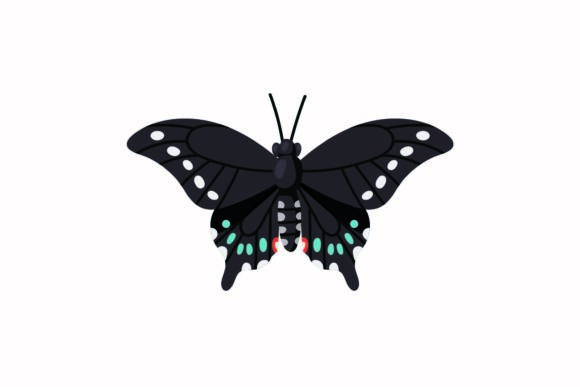
The moment I opened the Butterfly Illustration, I was struck by its delicate balance between whimsy and sophistication. It has that signature softness that makes butterflies instantly recognizable while maintaining enough detail to feel unique. The shape is well-proportioned, with gently curving wings and a slender body that feels natural in motion. This isn’t a generic butterfly—it carries a subtle personality that could easily be described as elegant or dreamy depending on the color palette used.
I immediately thought of how this would work on a custom sweatshirt or tote bag. The layout allows for both center placement and off-center, asymmetrical arrangements. The level of detail is appropriate—not too busy, yet intricate enough to catch attention when stitched properly. For someone running a small craft business or creating personalized gifts, this kind of visual appeal can make all the difference in customer engagement.
Real-Life Embroidery Applications
This design shines in custom apparel, especially when applied to soft knits like cotton blends or light-weight fleece. On a sweatshirt, the Butterfly Illustration adds a touch of nature without overwhelming the fabric. Its open spaces allow for breathable stitch coverage, which is ideal for everyday wear. I also tested it mentally on a baby onesie—something where simplicity and charm are key—and it passed with flying colors.
For tote bag designs, the illustration offers a great focal point. Whether using a satin stitch for the wings or fill stitches for added texture, it remains visually appealing without becoming too bulky. It’s one of those graphics that feels at home in both casual and boutique-style products. I can see it being a hit on handmade aprons or even embroidered patches for a school project or college swag.
In holiday gifts, like embroidered tea towels or pillow covers, the design brings a sense of warmth and celebration. When paired with seasonal accents such as floral borders or festive lettering, the Butterfly Illustration becomes part of a cohesive theme. That’s exactly what craft fair vendors and Etsy sellers look for in a digital embroidery file: versatility and instant visual impact.
Where Caution Is Advised
Despite its strengths, there are some scenarios where this design needs careful handling. First, if you’re working with small hoop sizes, the overall size of the butterfly may need resizing. But shrinking it too much can compromise the clarity of details—especially in the wing patterns or body features. Always test it on scrap fabric before finalizing your production run.
Textured fabrics, such as denim or canvas, might require extra stabilizer to ensure smooth stitching. I’ve found that the fine lines in the Butterfly Illustration don’t always hold up on rougher materials unless you adjust stitch density accordingly. Similarly, thin or stretchy fabrics could cause distortion if the design is densely stitched without proper support.
If you're planning to use it on dark fabric backgrounds, consider thread color contrast carefully. The default color options included in the design may not stand out as intended, so experimenting with white or metallic threads could enhance visibility. Also, avoid placing it on layered garments or curved surfaces like caps unless you’re prepared to tweak the layout for dimensional challenges.
Design Impact and Customer Perception
From a visual standpoint, the Butterfly Illustration elevates the perceived value of any product it’s placed on. Whether it’s a personalized gift or a commercial item, the design adds a layer of professionalism and creativity that customers notice. In a handmade product line, this kind of graphic helps maintain brand consistency, especially if you plan to feature similar motifs in future collections.
Its clean, flowing form enhances handmade presentation, making it suitable for boutique branding or nursery decor. I imagine it looking particularly lovely in fill stitch on a pastel-toned blanket or in running stitch as a subtle accent on a cap. The key is knowing when to emphasize and when to simplify—this design gives you the flexibility to do both.
What’s more, the Butterfly Illustration is highly giftable. People love butterflies—they symbolize transformation, beauty, and hope. That emotional resonance works wonders for customer trust and buyer engagement. If you're an Etsy seller or embroidery project creator, this is a design that speaks to a wide audience and can be repurposed for multiple seasons or occasions.
Designer Notes and Best Practices
- Test on scrap fabric first to understand how the design reacts to different textures and stitch types.
- Always check thread color contrast against your chosen fabric base, especially for dark-colored items.
- Review stitch density settings to prevent puckering or over-stitching, particularly around detailed areas like wing edges.
- Confirm the recommended hoop size before starting your project. If not specified, start with a mid-sized hoop and adjust as needed.
- Inspect small details—like antennae or wing patterns—for potential breakage or misregistration during stitching.
- Create black and white mockups to evaluate how the design will look in grayscale, which is important for monochrome applications.
- Compare the design on light and dark fabric backgrounds to assess visibility and overall effect.
- Use the appropriate stabilizer based on fabric type and stitch complexity to maintain quality and longevity.
- Before selling finished items or digital assets, confirm whether the design is suitable for commercial embroidery and verify licensing terms.
A Balanced Approach to Use
While the Butterfly Illustration is versatile, it’s not a one-size-fits-all solution. Think about the scale and context of each project. Would it work better as a large statement piece on a tote bag or as a smaller, repeated pattern on a decorative patch? Does it fit the mood of your design assets? These are the kinds of questions every seasoned embroiderer asks before sending a design to the machine.
I've seen many machine embroidery designs fall flat because they didn’t account for these nuances. The Butterfly Illustration avoids that pitfall by offering a clear structure that adapts well to various uses. However, if your product will undergo frequent washing—like kitchen towels or baby clothes—you’ll want to reinforce high-density stitch areas with backing or choose lighter stitching techniques to preserve integrity.
Final Thoughts from a Real-World Designer
Embroidery is as much about the technical side as it is about artistic expression. The Butterfly Illustration checks both boxes. It's a design that feels intentional and expressive, while still respecting the limitations and requirements of real-life stitching. Whether you're creating a sweatshirt embroidery for a client or designing personalized gifts for your Etsy shop, this illustration is worth considering.
Remember, though, that no design is perfect for every scenario. Your role as a designer is to understand how it behaves under different conditions and apply it wisely. With the right preparation, the Butterfly Illustration can become a valuable asset in your creative toolkit—adding charm, character, and commercial viability to your next embroidery project.