Art Class in Kindergarten Illustration Review for Embroidery Projects
As an experienced embroidery designer and product reviewer, I always approach a new embroidery file with curiosity and caution. The Art Class in Kindergarten Illustration caught my eye not just because of its theme, but because it has the potential to bring warmth and charm to various handmade products. Let’s dive into how this design holds up under real-world scrutiny.
First Impressions: A Playful, Nostalgic Vibe
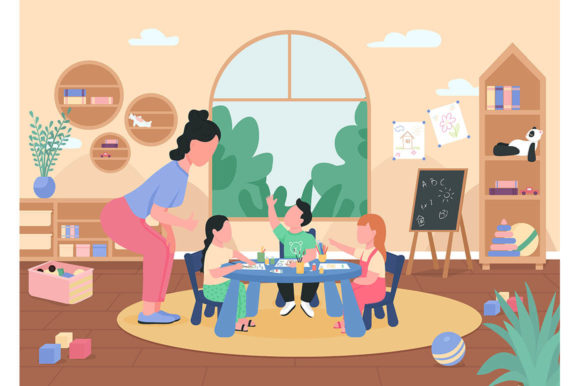
The Art Class in Kindergarten Illustration immediately evokes a sense of joy and creativity. It features children drawing at a table, with a teacher guiding them as they paint 2D cartoon characters against a playroom interior background. The flat color vector style gives it a clean, modern look that feels both educational and whimsical. This kind of visual personality makes it a natural fit for projects like custom sweatshirts, tote bags, or nursery decor where you want to communicate innocence, learning, and fun without overcomplicating the design.
What stands out is the balance between detail and simplicity. The layout is well-organized—clear focal points, consistent shapes, and a cohesive color palette. It doesn’t overwhelm the viewer, which is great when considering how it might translate onto fabric. The characters are stylized enough to remain recognizable even after stitching, yet they retain a level of expressiveness that adds character to the piece.
Real-Life Use Cases for Art Class in Kindergarten Illustration
This design shines in a few key areas:
- Custom Apparel: Think cozy sweatshirts or soft baby clothes. The gentle colors and playful subject matter make it ideal for creating personalized gifts or small shop merchandise that speaks to parents and educators alike.
- Tote Bag Design: A tote bag featuring this illustration could be used as a school supply carrier or a cute gift for teachers. The size of the scene allows for full coverage on a larger hoop, making it perfect for showcasing the entire composition.
- Nursery Decor: Embroidered pillow covers, wall hangings, or decorative accents can benefit from this design’s warm, educational tone. It brings a touch of learning and imagination into early childhood environments.
- Holiday Gifts: As a holiday embroidery project, it works especially well for items like embroidered mugs, aprons, or gift tags. The cheerful setting feels fitting for birthdays, back-to-school, or even baby showers.
- Digital Product Previews: If you're an Etsy seller or digital product creator, using this illustration in printable mockups or as part of your branding toolkit can help build trust and visual consistency across your offerings.
It's also versatile enough to work as an applique design or integrated into a larger pattern for commercial embroidery purposes. Whether you’re aiming for something bold or subtle, the flat vector style adapts well to different stitch types like satin stitch or fill stitch, depending on how much texture you want to emphasize.
Where to Use It Carefully
While this design is charming, there are some situations where you’d want to tread carefully:
- Small Hoop Sizes: The illustration contains several detailed elements that may become lost or distorted if scaled down too much. Always confirm the recommended hoop size before starting your project.
- Textured Fabrics: On fabrics like denim or canvas, the fine lines and subtle shading may not show up as clearly. Consider adjusting stitch density or using a finer thread set.
- Thin or Stretchy Materials: These can cause distortion, especially in the more intricate parts of the illustration. Using a proper stabilizer and testing the design on similar material beforehand is crucial.
- Dark Backgrounds: The muted pastel tones may not pop as effectively on darker fabrics. Try running a black-and-white mockup first to see if the contrast is sufficient.
- Curved Surfaces: Patches or embroideries on caps or hats may require some adjustment to maintain the integrity of the composition.
- Frequent Washing: For items like kitchen towels or baby clothes, consider the durability of the threads and whether the design will hold up over time.
Design Notes for Maximum Impact
Before jumping into production, here are a few tips to ensure the Art Class in Kindergarten Illustration looks its best:
- Test on Scrap Fabric: Especially if you're planning to use it on stretchy or thin materials. You’ll get a better idea of how the colors and stitches interact with the fabric.
- Review Stitch Density: Dense areas may need extra attention to avoid puckering or pulling. Lighter stitch coverage can help preserve the softness of the image.
- Check Thread Color Contrast: If the original illustration uses light hues, ensure the thread colors you select offer enough visibility against your chosen fabric.
- Inspect Small Details: The illustration includes tiny elements like paintbrushes and faces. Make sure these don't get lost during resizing or due to poor machine precision.
- Confirm Licensing: If you plan to sell finished products or digital files, verify the licensing terms associated with the digital embroidery file. Some designs are only for personal use, while others allow commercial application.
Visual Appeal and Customer Reaction
One of the most important aspects of any handmade product is how it visually appeals to your target audience. The Art Class in Kindergarten Illustration does a solid job of capturing a lighthearted and engaging aesthetic. Its cartoony style is inviting and familiar, making it likely to resonate with customers looking for something sweet and meaningful.
In terms of stitching clarity, the design performs well on mid-weight cotton blends or linen. The outlines are strong enough to stand out, and the internal details provide depth without being overwhelming. That said, if you're working with very busy patterns or dark-colored base fabrics, the impact may be lessened unless you adjust accordingly.
Impact on Branding and Sales
For small business owners and Etsy sellers, using this illustration can add a layer of professionalism and heart to your line of personalized gifts or custom apparel. It supports brand consistency if your niche focuses on family-friendly or educational themes. The design’s universal appeal also helps with buyer engagement—it's relatable, colorful, and easy to imagine on a wide range of products.
From a practical standpoint, it can elevate the perceived value of your finished product. Customers often associate hand-stitched or machine-embroidered illustrations with quality craftsmanship, so choosing a design like this one can boost product value and customer trust. Just make sure the final placement and scale are appropriate for the item and the intended message.
Final Thoughts for Crafters and Designers
The Art Class in Kindergarten Illustration is a thoughtful addition to your embroidery arsenal. It offers a balanced blend of detail and simplicity, making it suitable for a variety of machine embroidery design applications. However, its effectiveness depends heavily on how you apply it to your specific project and materials.
Whether you're creating a boutique collection of embroidered onesies or designing a printable mockup for your next digital product listing, take the time to test this design thoroughly. Pay attention to the nuances—the lighting of the room, the positioning of the characters, and the overall harmony of the scene. When done right, it can turn a simple garment or accessory into a cherished handmade product.
Remember, the success of an embroidery project isn’t just about the design itself—it’s about how it complements the fabric, fits within the context of the product, and meets the expectations of your buyers. With the right preparation, the Art Class in Kindergarten Illustration can become a standout asset in your creative portfolio.