Rose Pattern Graphics for Crafts: A Versatile Design Asset for Local Businesses
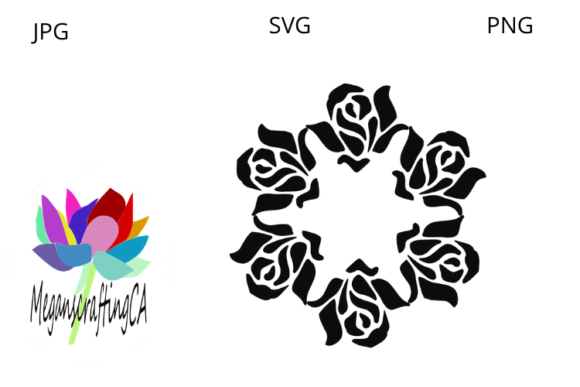
As a brand designer working with local businesses, I’m always on the lookout for design assets that can elevate branding without overwhelming it. Recently, I came across a Rose Pattern graphic available in SVG, PNG, and JPG formats—ideal for both digital and print use. The pattern is arranged in a circular shape, making it adaptable for a range of creative applications from product labels to social media graphics. Here's how this design asset performed in my evaluation for a small business project.
Elegance Meets Versatility: First Impressions of Rose Pattern
The first thing I noticed about the Rose Pattern was its softness and elegance. It’s not overly intricate or busy, which means it can complement rather than compete with other brand elements. The roses are stylized but retain a natural feel, suggesting a blend of artisanal craftsmanship and modern simplicity. This balance makes the pattern suitable for brands that want to convey warmth, creativity, and a touch of romance.
Visually, the rose pattern evokes a sense of handmade authenticity, which aligns well with small businesses like boutiques, flower shops, bakeries, and artisan skincare brands. Its organic curves and floral motif suggest a feminine, seasonal, and decorative aesthetic, perfect for businesses targeting a lifestyle-oriented audience.
Applying Rose Pattern in Real-World Branding Projects
I tested the Rose Pattern on several mockups for a hypothetical boutique bakery launching a new line of floral-themed pastries. The pattern worked beautifully as a background element on their packaging labels, giving each box a cohesive and inviting look. When layered subtly behind product names, it helped create a stronger visual hierarchy by guiding the eye toward key information without distracting it.
For product packaging design, I used the pattern as an accent along the top edge of boxes and cans. In these instances, it added a decorative yet professional finish that boosted shelf appeal. The SVG format allowed me to scale the design perfectly for different sizes, including small hang tags and larger posters. The PNG file with transparent background was especially useful when overlaying the pattern onto custom color palettes for web banners and promotional flyers.
Design Applications Across Crafts and Graphics
- Logo Design: While the pattern itself isn’t ideal as a standalone logo, it can serve as a supporting element in a badge-style logo or be incorporated into a label-based logo system.
- Product Labels: The circular layout of the Rose Pattern fits naturally around bottle caps, jar seals, and sticker-style labels. For a handmade soap company, I placed it subtly behind the product name to enhance brand recognition.
- Packaging Accents: Used as borders or corner motifs, the pattern adds a refined touch to minimalist packaging while still maintaining clarity.
- Social Media Graphics: On Instagram posts and Facebook ads for a local florist, the pattern helped create hero graphics that felt fresh and seasonal. I paired it with bold text and a handwritten font for contrast.
- Printable Inserts: For a candle brand offering free thank-you cards with orders, I printed the pattern in grayscale and found it retained enough detail to make a polished impression.
- Editorial Design: Applied to menu boards and price lists, the pattern softened the tone of otherwise utilitarian content, helping customers connect emotionally with the brand.
Supporting Brand Identity Through Visual Consistency
One of the most important aspects of small business branding is consistency. The Rose Pattern proved valuable in creating a unified look across various touchpoints. When applied to a coffee shop’s cup sleeve, the same pattern appeared on their website banner and Instagram stories, reinforcing the brand identity through repetition.
This kind of visual continuity builds customer trust and familiarity. The pattern didn’t overpower the brand messaging; instead, it supported it by adding a layer of sophistication and personality. It also helped differentiate the brand from competitors who rely on more generic or flat illustrations.
Where the Rose Pattern Shines
After testing the graphic design asset in multiple scenarios, here are the areas where it truly excels:
- Hero Graphics: The pattern works well as a central visual in marketing materials, especially when paired with clean typography and minimal text.
- Boutique Visuals: For a women’s clothing store, the rose pattern was used as a subtle background on window posters and in-store signage, enhancing the overall aesthetic without being too loud.
- Seasonal Campaigns: With slight adjustments in color, the pattern could easily adapt to Valentine’s Day promotions or Easter packaging, making it a cost-effective and flexible design tool.
- SVG Editability: As a vector file, the Rose Pattern can be resized, recolored, and repositioned without losing quality—ideal for designers who want to customize the look for specific projects.
- Digital Product Mockups: When used in Canva templates or Photoshop overlays, the pattern enhanced the perceived value of online product listings and made them stand out in crowded marketplaces.
Use With Caution: Practical Designer Notes
While the Rose Pattern has a lot of potential, there are some situations where it might not be the best fit. Here are a few things to consider before using it in your next project:
- Formal Corporate Branding: If you're designing for a legal firm or tech startup, this pattern may feel out of place. It’s better suited for lifestyle, food, and craft-based businesses.
- Very Small Labels: At tiny sizes, the pattern can lose definition. Always preview it at actual scale before finalizing any packaging designs.
- Crowded Layouts: Avoid placing the pattern over dense text layouts such as ingredient lists or legal disclaimers. It can reduce readability and dilute the message.
- Low-Contrast Backgrounds: Test the pattern against your brand colors to ensure legibility. Darker tones or high-contrast backgrounds work best to maintain clarity.
- Luxury Minimalist Brands: Although elegant, the pattern may not align with ultra-minimalist aesthetics. Use it sparingly or in monochrome versions if needed.
- Test on Real Packaging Mockups: Print it on sample boxes or jars to see how it looks in person before mass production.
- Check Black and White Usage: Even though the pattern is colorful, evaluate how it translates in grayscale for black-and-white printing options.
- Preview on Small Labels: Ensure the pattern remains legible and doesn’t become pixelated when scaled down for tags or stickers.
- Test With Your Brand Colors: Import the pattern into your design software and experiment with overlays or tints to match your palette.
- Compare With Competitor Packaging: Make sure the pattern helps your product stand out rather than blend in with others in the same category.
- Review PNG Transparency: If you’re using the PNG version, check the transparency settings to avoid unwanted white backgrounds in complex compositions.
- Inspect SVG or Vector Editability: Since it's available in SVG, confirm that all layers and paths are editable for customization.
- Font Pairing Test: Try it beside different fonts—serif, sans serif, script, handwritten, and display—to find the right balance between decoration and legibility.
- Confirm Commercial Licensing: Before using the Rose Pattern for client work or physical product sales, ensure the commercial license allows for such use.
Designer Tips for Using Rose Pattern Effectively
To get the most out of this graphic design asset, here are some practical steps every designer should take:
Why This Pattern Works for Handmade Businesses and Local Shops
Handmade sellers and local entrepreneurs often struggle to achieve a professional branding look without appearing too generic. The Rose Pattern offers a unique solution by providing a decorative yet scalable asset that feels personal and authentic. Whether you're designing for a seasonal campaign or looking to refresh your brand visuals, this pattern brings a touch of charm and attention to detail.
In a real case scenario, imagine a local skincare brand wanting to launch a holiday gift set. By incorporating the Rose Pattern into their packaging, they instantly created a more premium and festive appearance. Combined with a warm color scheme and hand-drawn typography, the pattern helped establish a strong emotional connection with customers.
Final Thoughts on Rose Pattern for Business Design
Overall, the Rose Pattern is a well-crafted graphic design asset that supports a wide range of branding needs for local and handmade businesses. It enhances first impressions, strengthens product recognition, and contributes to a consistent brand identity across crafts and graphics. Just remember to apply it thoughtfully and test it thoroughly before committing to print or digital use.
If you're looking to add a soft, elegant, and decorative touch to your branding toolkit, this pattern is worth considering. Just keep it aligned with your brand voice and ensure it complements rather than competes with your message. With the right application, it can help your products stand out in both local markets and online storefronts.