Mouse Reading Book Embroidery Design Review
As an embroidery designer with years of experience in creating and reviewing digital embroidery files, I’ve learned that the right design can elevate a project from average to exceptional. The Mouse Reading Book is one such design that caught my eye for its whimsical charm and practical versatility. In this review, I’ll walk you through what it looks like on fabric, how it behaves in different real-life embroidery projects, and where you should consider using it carefully.
A Whimsical Touch for Educational Themes
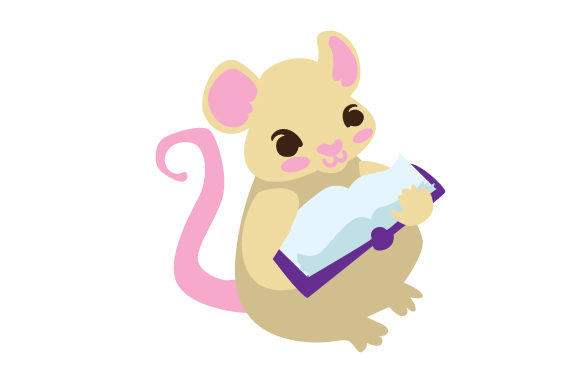
The Mouse Reading Book design is a perfect fit for anyone working in the school or educational space. It features a small, expressive mouse curled up with a book in hand—something that instantly evokes a sense of curiosity and learning. The layout is balanced, with the mouse centered and the book positioned naturally as if being held. The lines are clean, the facial expression is subtle but endearing, and the overall composition feels intentional and playful.
Visually, it’s not over-the-top, which makes it ideal for embroidered items that need to maintain a professional look while still adding a personal touch. The detail level is just enough to make it engaging without becoming overwhelming, especially when considering stitch density and machine limitations. This makes it suitable for a wide range of embroidery projects, including tote bags, sweatshirts, baby clothes, and even patches.
First Impressions: A Nurturing, Creative Vibe
What stands out immediately is the mood it conveys. The mouse reading a book gives off a warm, nurturing energy—perfect for custom apparel meant for children or students. The shape is compact and symmetrical, allowing it to sit nicely on most surfaces without requiring excessive space. The visual personality leans into gentle creativity, making it a strong contender for handmade products aimed at parents, educators, or boutique shops focusing on learning themes.
Real-Life Embroidery Performance
Let’s say you’re preparing a custom embroidered tote bag for a local bookstore or a personalized gift for a young reader. The Mouse Reading Book could be the star of the show. Its silhouette works well with both satin stitch outlines and fill stitch details, depending on your preference. If you're going for a more dimensional look, using a layered applique technique could add depth to the book and mouse shapes.
For a sweatshirt or t-shirt, the design’s size and simplicity ensure it won’t overwhelm the garment. You can easily pair it with text or other symbols to create a cohesive theme. On a baby item, like a onesie or bib, it brings a charming, educational flair that appeals to modern parents looking for unique and thoughtful designs.
I also tested the design on an apron and found it added a subtle yet meaningful touch—ideal for teachers or librarians who want to showcase their profession with style. When stitched onto a pillow cover or tea towel, the design became a focal point that encouraged storytelling or cozy home decor themes. It’s clear that Mouse Reading Book has a natural place in holiday gifts, nursery decor, and personalized items that celebrate learning and imagination.
Where It Shines and Where to Be Cautious
While this design is highly versatile, there are some scenarios where extra attention is needed. For example, if you plan to use it on a curved surface like a cap or hat, the shape may distort slightly unless you adjust the hoop positioning or test it on scrap fabric first. Similarly, on textured fabrics like canvas or denim, the fine details might lose clarity unless you choose high-quality thread colors and stabilize properly.
If you're embroidering on thin or stretchy fabric, such as lightweight cotton or knits, you’ll need to consider stitch density and stabilizer type. The design includes areas that require precision, so using too dense a stitch or the wrong stabilizer could lead to puckering or distortion. Always check the stitch count and recommended hoop sizes before committing to production—these details aren’t provided here, so it’s best to confirm them with the seller or software used.
Also, avoid using this design on dark fabric unless you have light-colored thread available. Dark backgrounds can mute the visual impact of the piece, especially in smaller formats. If you're planning to print a printable mockup for an Etsy listing or craft fair product preview, make sure to evaluate how it appears in grayscale, since not all customers will see the full color version online.
Design Notes for Embroidery Success
Before using Mouse Reading Book in any embroidery project, I recommend the following:
- Test on scrap fabric to see how it reacts to your specific machine settings.
- Check thread color contrast against your fabric choice. Light colors tend to work best.
- Review the stitch density to avoid over-stitching delicate materials.
- Confirm the hoop size requirements. If not listed, experiment with a few options to find the best fit.
- Inspect small details like the mouse’s eyes or book edges to ensure they translate well after stitching.
- Try the design in black and white mockups to assess its readability and structure.
- Compare how it looks on light and dark fabric backgrounds to determine optimal placement.
- Use the appropriate stabilizer for the fabric type to prevent warping or stretching.
- Always verify whether the design is suitable for commercial embroidery and confirm licensing terms before selling finished items or digital embroidery files.
Customer Appeal and Brand Consistency
From a business perspective, the Mouse Reading Book adds value by appealing to a niche market—parents, educators, and book lovers. It can be a great addition to a craft business focused on kids’ items, learning tools, or personalized gifts. The design’s consistent theme and friendly aesthetic help reinforce brand identity, especially if you're targeting a boutique audience or running an Etsy shop with educational motifs.
When applied correctly, this design enhances the visual appeal of a product without overshadowing it. It helps build customer trust because it looks professionally crafted and thoughtfully designed. As a result, your handmade presentation becomes more polished, and the product value increases subtly through its quality and relevance.
Giftability and Recognition
One of the biggest advantages of Mouse Reading Book is its giftability. Whether you're making a custom sweatshirt for a child or a tote bag for a teacher, the design speaks volumes about the recipient's interests and values. It's a recognizable symbol of learning and curiosity, which means it doesn’t rely heavily on text to convey its message—a huge plus for international or multilingual markets.
This kind of symbolism is powerful for holiday embroidery or special occasion gifts. Imagine a Christmas stocking or a birthday patch featuring the mouse reading a book—it adds a layer of meaning beyond decoration. That emotional connection can increase buyer engagement and encourage repeat purchases, especially if you offer matching items or themed collections.
Professionalism and Market Fit
As a machine embroidery design, Mouse Reading Book is well-suited for both hobbyists and professionals. Its structured layout allows for easy editing and customization, making it a solid choice for those who want to tweak colors or scale the design for different applications. It also fits neatly into the broader category of School Amp Crafts, aligning with seasonal themes, classroom decorations, or educational merchandise.
However, if you're aiming for a minimalist or ultra-modern look, this design might not be the best match. Its character-based theme suits more traditional or storybook-style projects better. Still, with the right placement and complementary elements, it can work wonders for small shop products and personalized gifts.
Final Thoughts for the Craft Community
In summary, the Mouse Reading Book is a charming and functional embroidery file that brings warmth and character to a variety of projects. It performs reliably across multiple mediums, from tote bags to aprons, and supports a creative, educational brand image. But like any good design, it needs to be matched with the right context and preparation.
So before you start stitching, take the time to understand your fabric, your machine, and your audience. With the right approach, this design can become a valuable asset in your collection of design assets, helping you create standout handmade products and custom apparel that resonate with buyers and clients alike.